Who makes the day?
Here is a preview by the way
It has to do
With the Griffin and the Sphinx
And the Phoenician alphabet from Syria
In the north of that country
When the 22 characters at the back end of history
Came down to
The Phoenicians who
Gave that language alphabet to
Arameans and then Aramaic and then Arabic and then
The Greeks had first acquired the alphabet on or about
The first Olympiad
Of 776 BC
At that time verily
As per a Cambridge text the other day
Online,
And then the Etruscans and Romans
Also received the alphabet
Of the Phoenicians
From the Greeks basically, and &c. in those ways,
So labyrinthine already
So for the date of about 700 BC
Etruria will be
Getting big financially
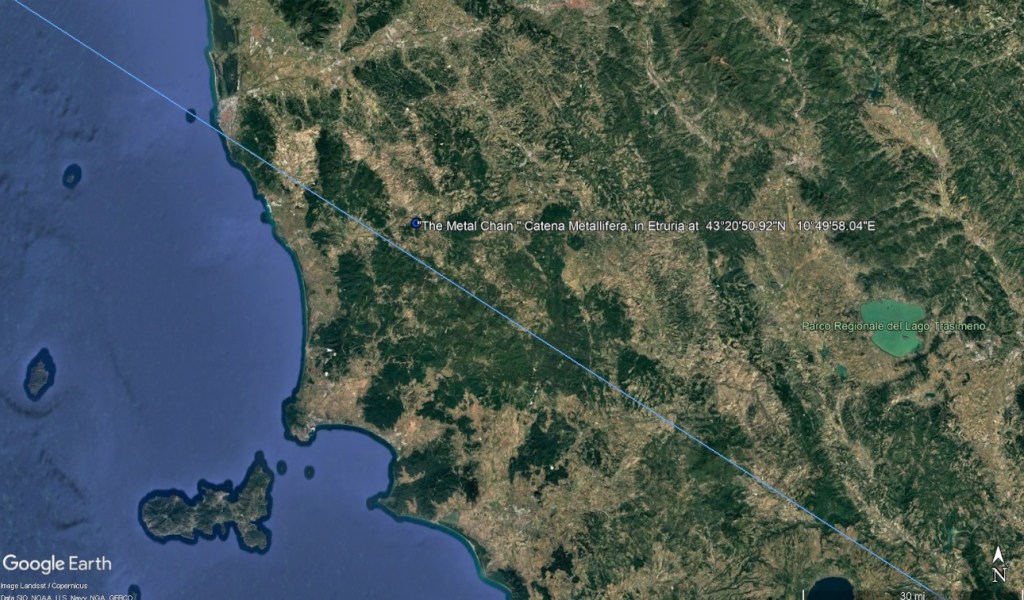
By the metals on the line
And the very powerful old times
And the Egyptians they say
Taught then how to mine back in the day
As the point verily:
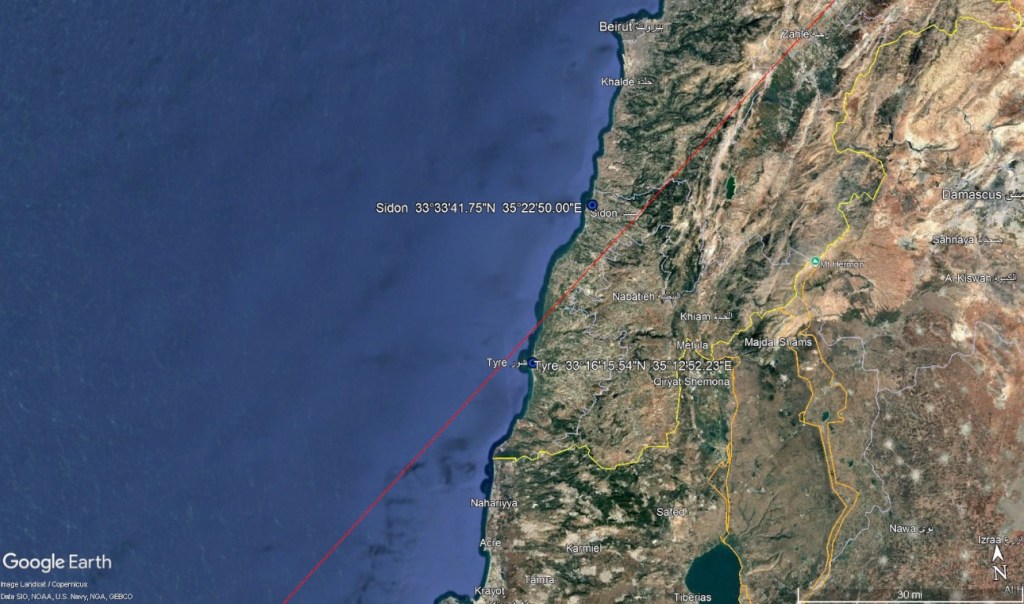
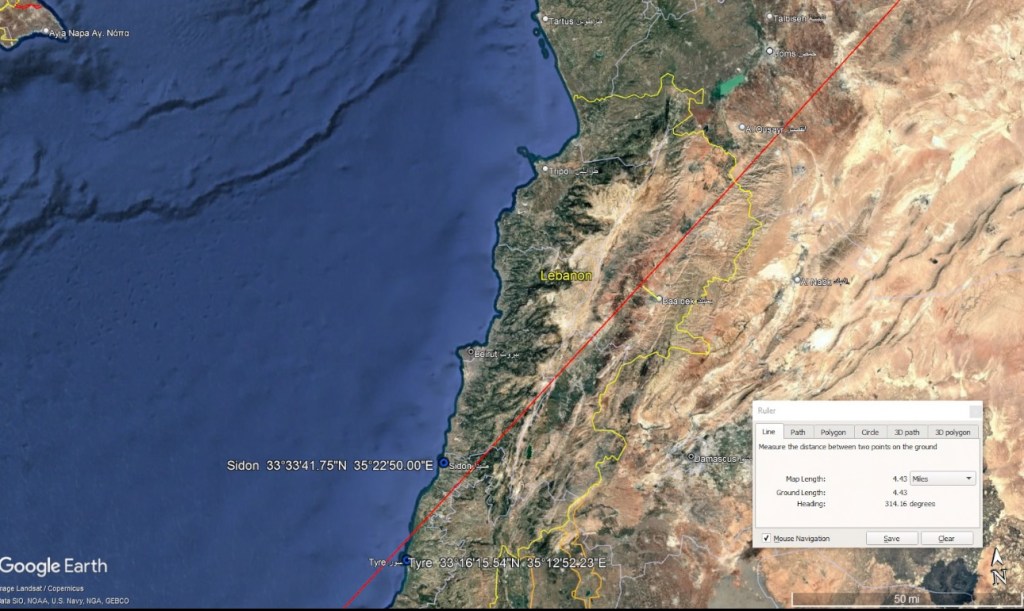
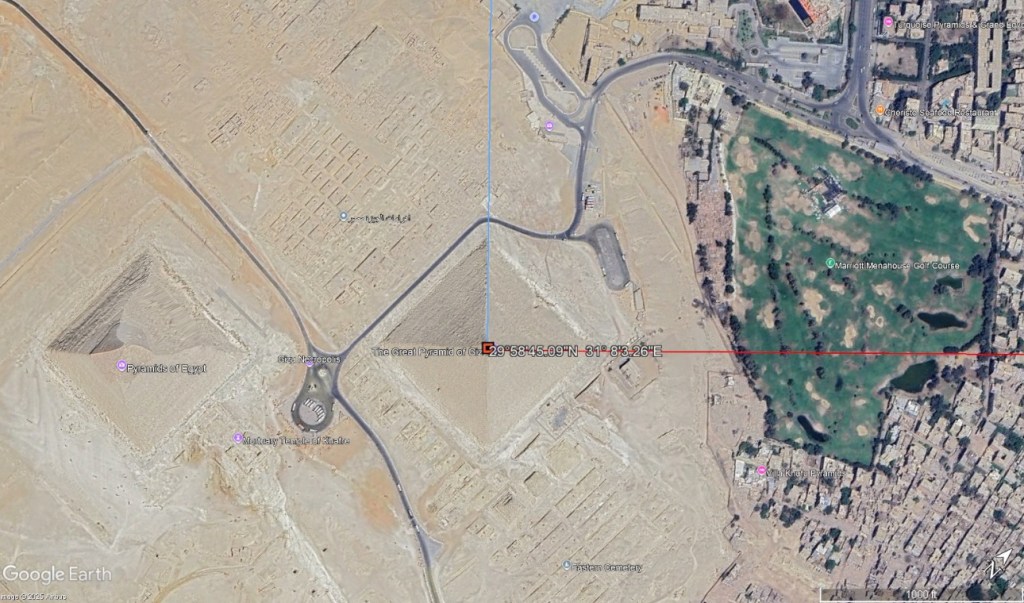
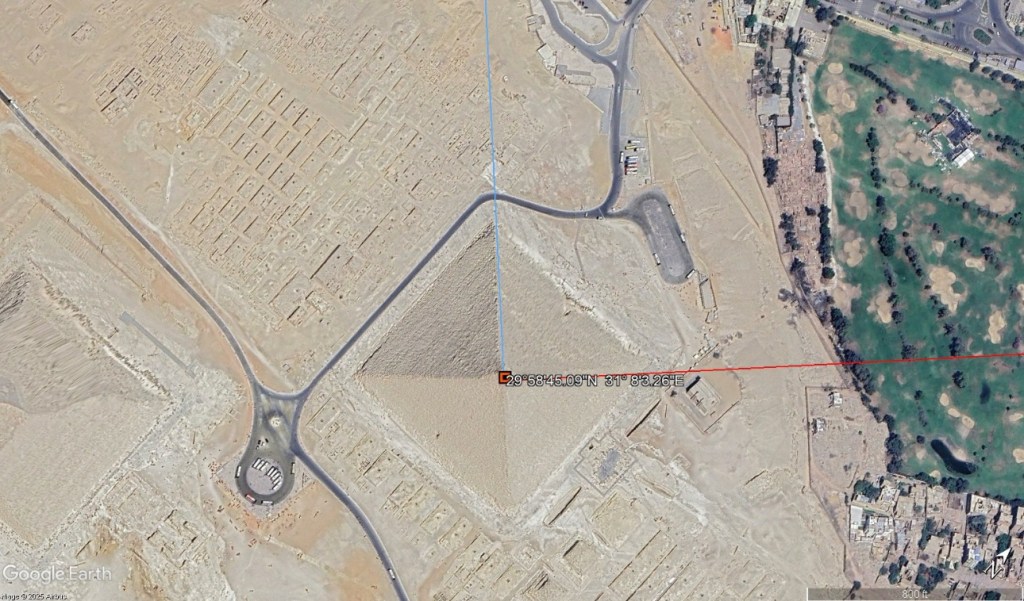
The Great Mystery of the Phoenicians
“And they always said
“In the Woods
“Of the USA
“Legend had it, yesterday
“Some Phoenician band had come from across the Sea and done some big stonework
“Or whatever it would be
“On or about a New World Biblical landscape as it was, and always it seems
“Over wherever far away
“Those sights are located today
“So very allegedly
“On that folklore category
“Of who lives here again?
“Bible reading Christian
“And the names in that way
“Are as accessible today
“As they had been, and
“It works this way:
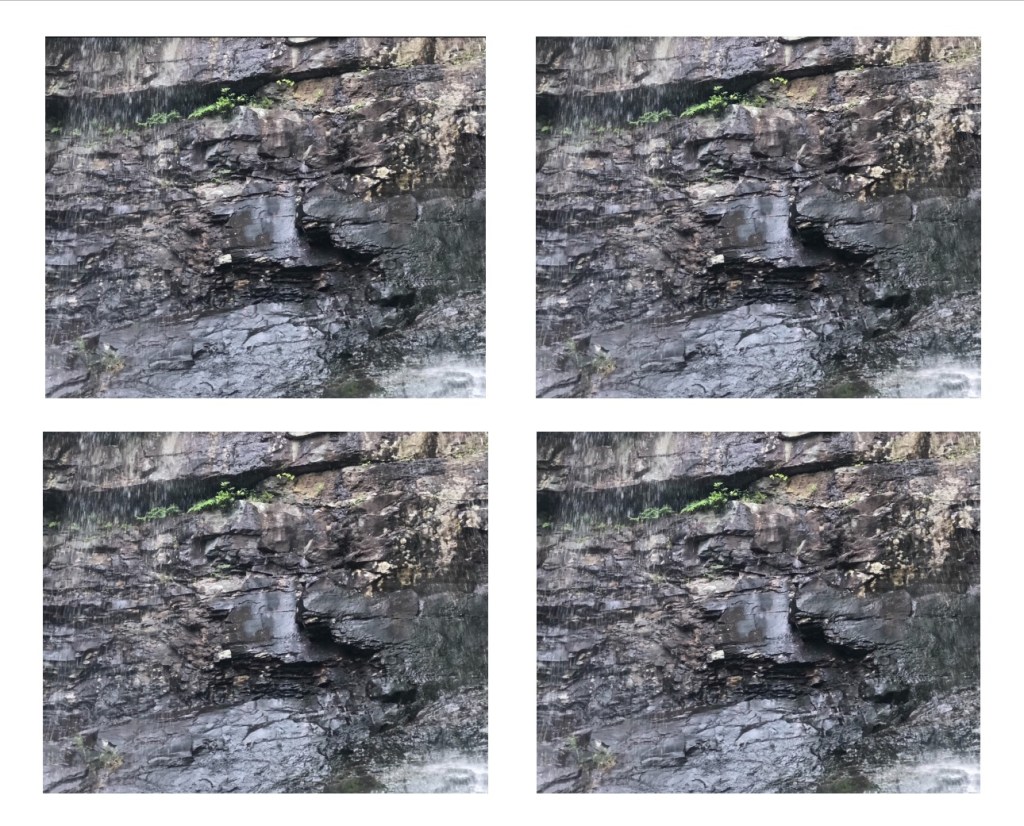
Greek, Etruscan, Phoenician, Roman,
Another lesson from the woods
“They all had the same religion back then
“And it looked Zoroastrian as well
“At times
“In the very interesting way:
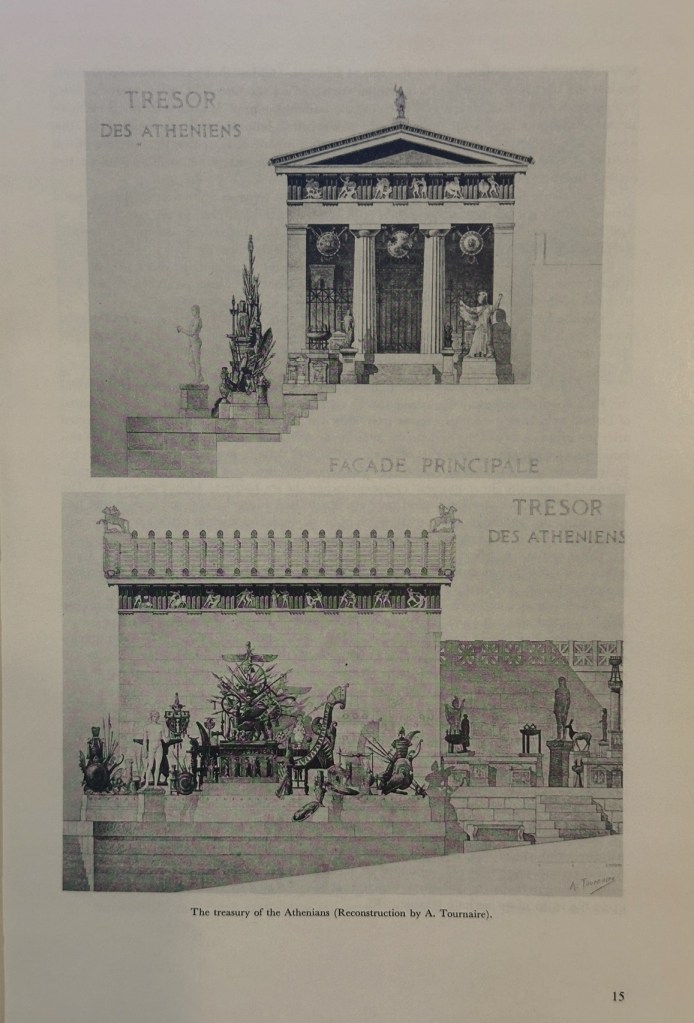
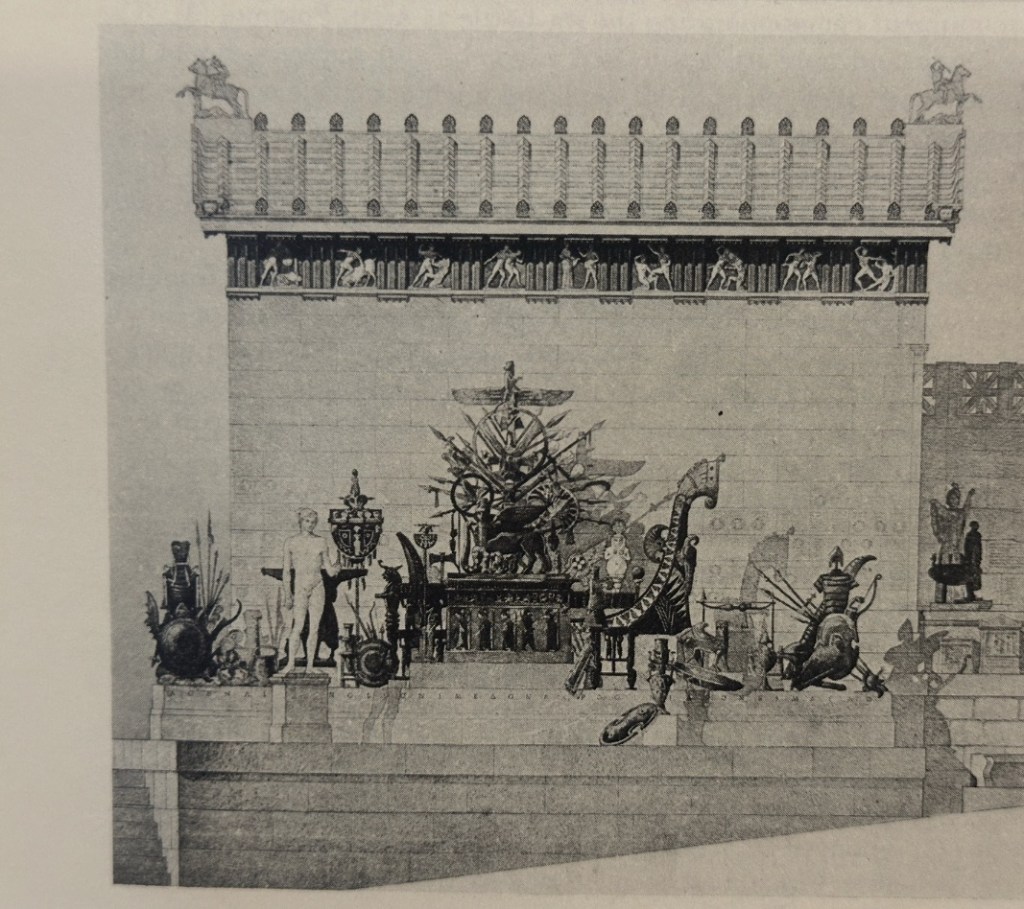
What effigy is that again?
“…it was intended to house other offerings of the Athenians to the god. In terms of architecture and sculpture, it represents the transition from archaic style to the severe style of Attic art.” (14)
– Art Blog weighs in.
 ENHAKKORE